The Great Gatsby
Ewing Klipspringer
The boarder who plays piano
A permanent houseguest at Gatsby’s mansion who is asked to play the piano the afternoon Daisy visits.
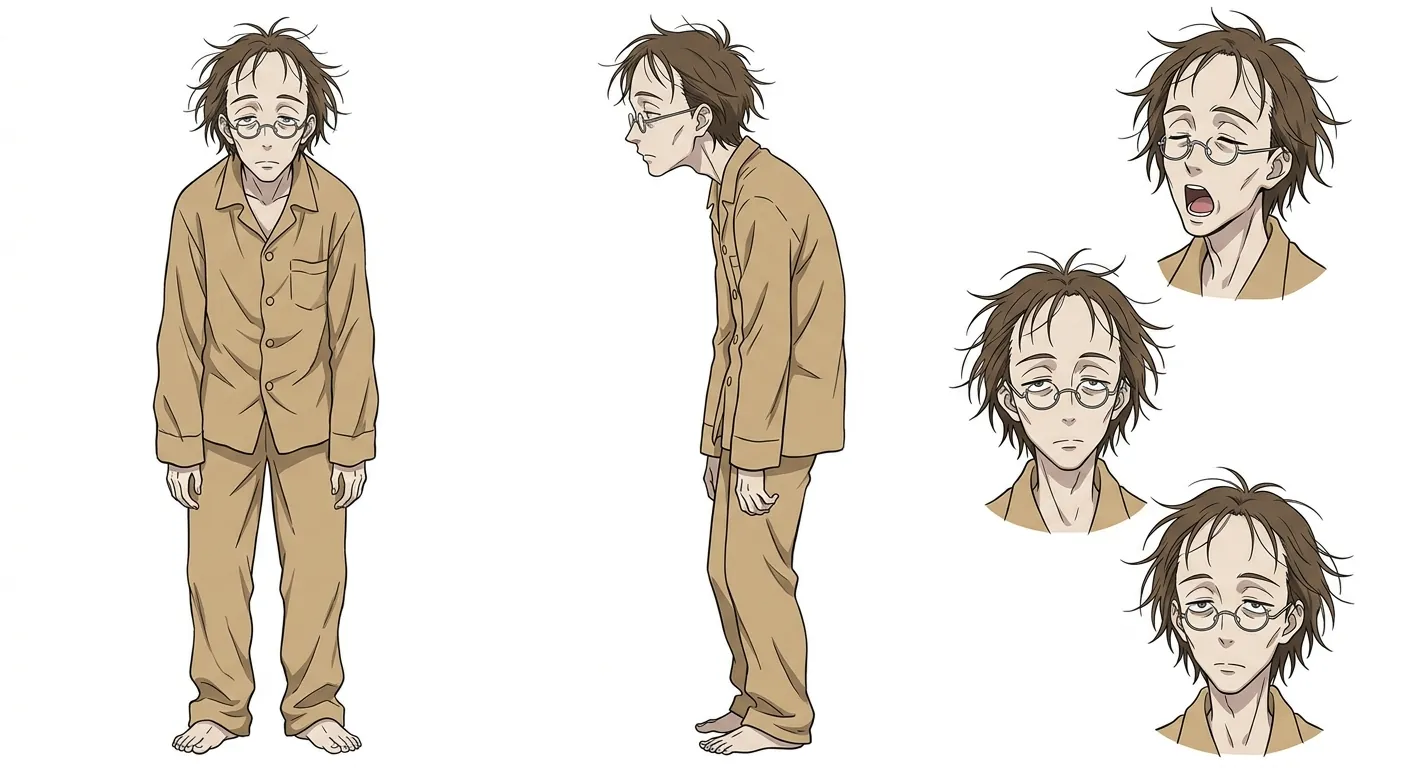
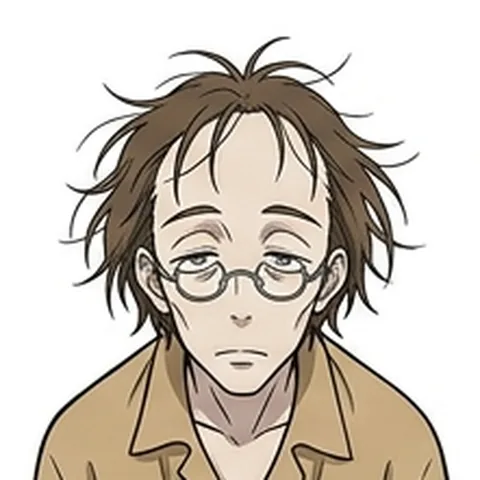
Klipspringer lives in Gatsby’s house as a so-called boarder, eating at Gatsby’s table and sleeping in one of his rooms. He is lanky, nervous and sleepy-eyed, and he seems to have no purpose other than to be there, available whenever someone wants a tune.
He stands for the hangers-on who fill Gatsby’s world. They take what the house offers and give little back, and the adaptation draws him slouching and rumpled.
“In the morning, in the evening, ain't we got fun—”
In the story
Contains spoilers.
On the first afternoon Daisy visits, as twilight falls, Gatsby asks Klipspringer to play the piano. He plays “The Love Nest” and sings a lively song about having fun while Gatsby and Daisy sit side by side, entranced with each other and hardly noticing him.
It is a small scene, but it shows the house as it is meant to be: music in the background, a guest to fill the room, and Gatsby’s whole attention on one person. Klipspringer does not appear again in the pages of this adaptation.
As an Amazon Associate we earn from qualifying purchases.